Why You Can Feel Exhausted Even After Resting
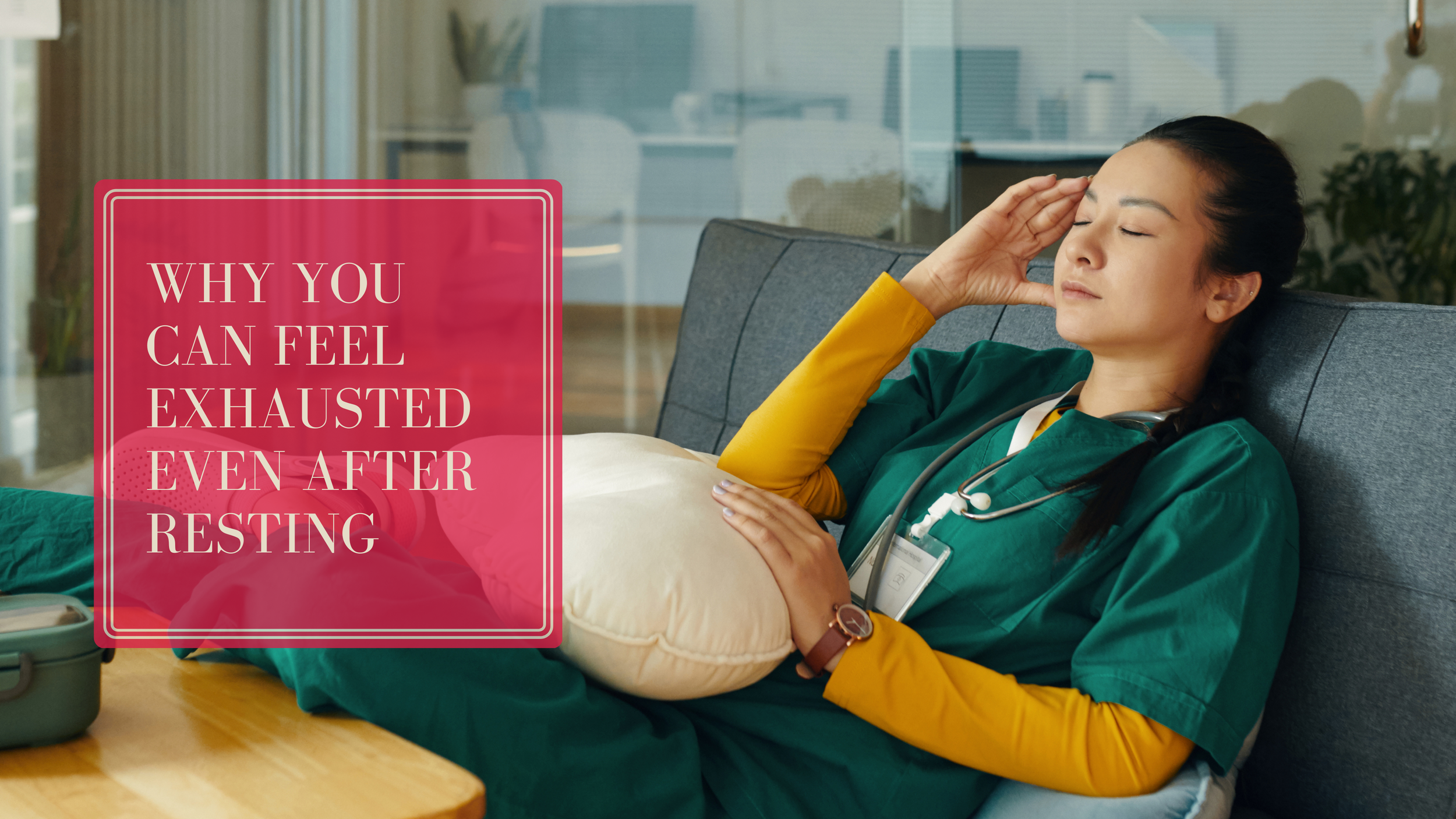
And Why This Is Not a Willpower Problem
Many residents reach a point where rest no longer restores them the way it used to.
They sleep longer on a post-call day.
They take a rare day off.
They try to reset.
And yet, the exhaustion lingers.
This often leads to self-blame. A quiet assumption that they should be more resilient, more disciplined, or better at managing stress.
But the science tells a different story.

Chronic Stress and Sleep Restriction Change How the Brain and Body Function
Research shows that chronic stress combined with sleep restriction alters hormone patterns and brain function.
Cortisol remains elevated instead of following its normal diurnal rhythm.
Deep sleep becomes fragmented rather than restorative.
Cognitive functions like attention, memory, and decision-making decline.
This is not a mindset issue.
It is a physiological response to sustained load.

What Sleep Disruption Actually Does in Physicians in Training
In resident physicians, even partial or intermittent sleep loss has measurable effects.
Short or broken sleep alters endocrine function and immune markers in physicians in training.
Partial sleep deprivation impairs vigilance and working memory, even when total sleep time appears adequate.
Stress degrades sleep quality, and poor sleep further reduces stress resilience, creating a reinforcing cycle.
Over time, the system stops fully recovering.
Why “Rest” Stops Feeling Restorative
Deep sleep is where neurological and physiological repair occurs.
Under chronic stress, the nervous system remains partially activated even during sleep. The brain stays on alert. Recovery is incomplete.
So while you may be resting in theory, your body is not restoring in practice.
That is why many residents feel done even after they technically rested.
This Is Not About Willpower
Willpower does not lower cortisol.
Motivation does not repair fragmented sleep architecture.
Discipline does not override biology.
Long days, disrupted sleep, and chronic stress stack biologically. When those layers accumulate, the body shifts into protection mode.
Understanding this changes the question from
What is wrong with me
to
What does my system actually need under this level of demand

Work With Your Biology Instead of Against It
When residents understand how stress and sleep interact physiologically, they stop blaming themselves and start making smarter adjustments.
Not by adding more effort.
But by supporting recovery in ways that align with how the body actually functions under pressure.
If you want personalized guidance on how to regulate your energy, sleep, and performance under clinical load, the next step is a consult.
Book a consultation here