Why Confidence Does Not Automatically Come With Seniority

And Why This Is a Training Gap, Not a Personality Flaw
Many residents assume confidence arrives with time.
They expect that after enough rotations, enough call nights, or enough experience, they will suddenly feel steadier, clearer, and less self conscious.
But for many residents, that moment never quite arrives.
They advance in training, yet still hesitate before speaking.
They receive feedback and replay it for days.
They ask questions carefully, worried about how they are perceived.
This often leads to quiet self doubt. A belief that maybe they are not cut out for leadership, or that others are naturally more confident.
But confidence is not a trait you either have or lack.
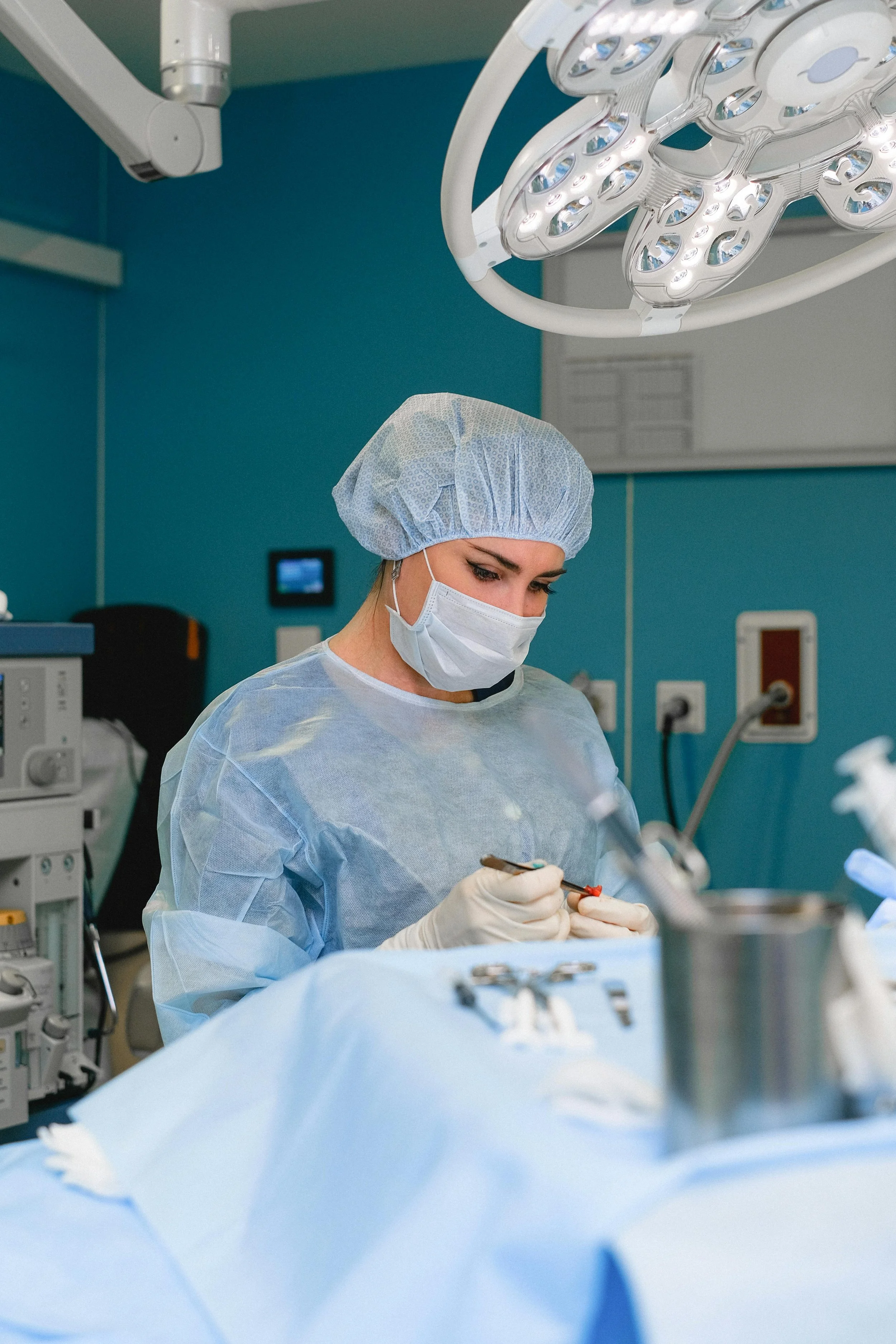
Medical Training Does Not Teach Communication Under Pressure
Residency trains medical knowledge, efficiency, and procedural skill.
It does not train how to communicate clearly when you are tired, evaluated, or under stress.
Residents are rarely taught how to receive feedback without internalizing it, how to ask for help without sounding unprepared, or how to speak with ownership when they are still learning.
So the brain fills in the gaps.
It softens language to avoid embarrassment.
It over apologizes to reduce perceived risk.
It braces against criticism rather than integrating it.
These responses are not weaknesses. They are protective strategies.
Why Feedback Feels Heavier Than It Should
Under pressure and fatigue, the brain prioritizes threat detection.
One critical comment carries more weight than several positive ones.
Neutral feedback feels negative.
Ambiguity feels dangerous.
This is not because residents are fragile. It is because residency places the nervous system under sustained load.
Without tools to process feedback efficiently, each comment takes up more mental space than it should.
That mental load accumulates.
Clinical Presence Is Built Through Patterns
Attendings often trust residents not based on knowledge alone, but on consistency.
How a resident responds when plans change.
How they receive correction.
Whether they steady the room or escalate it.
Clinical presence is not personality.
It is a pattern of responses that signals reliability.
Those patterns can be trained.

Why Confidence Improves With Practice, Not Time
Confidence grows when residents practice better responses.
Clearer phrasing.
More neutral ownership of uncertainty.
Faster recovery after feedback.
Just like procedures, communication patterns improve with repetition and structure.
When residents train these skills intentionally, they do not become louder or more aggressive.
They become easier to trust.
That trust changes how feedback is delivered, how responsibility is assigned, and how opportunities appear.
Learning to Work With Pressure Instead of Against It
Residency will remain demanding.
Pressure will not disappear.
But when residents understand how their nervous system responds under evaluation, they stop interpreting normal stress reactions as personal failure.
They begin to work with pressure rather than fight it.
That shift alone reduces cognitive drain.

Where to Build These Skills Intentionally
Inside The Elite Resident Accelerator, residents receive structured tools to practice communication, feedback integration, and leadership presence in real clinical contexts.
The focus is not confidence theater.
It is practical skill building that translates directly to daily interactions.
Access to these tools is available through enrollment in The Elite Resident Accelerator.
Book a Call Now >> https://lively-kiwi-83553.myflodesk.com/ap8qobfji5